Stroke rehabilitation is one of the most complex areas of occupational therapy. Recovery varies from person to person and may involve a combination of restoration, adaptation, and learning new strategies. In-home occupational therapy gives survivors an opportunity to practice meaningful activities in the environment where they use them every day.
Practicing skills in the home
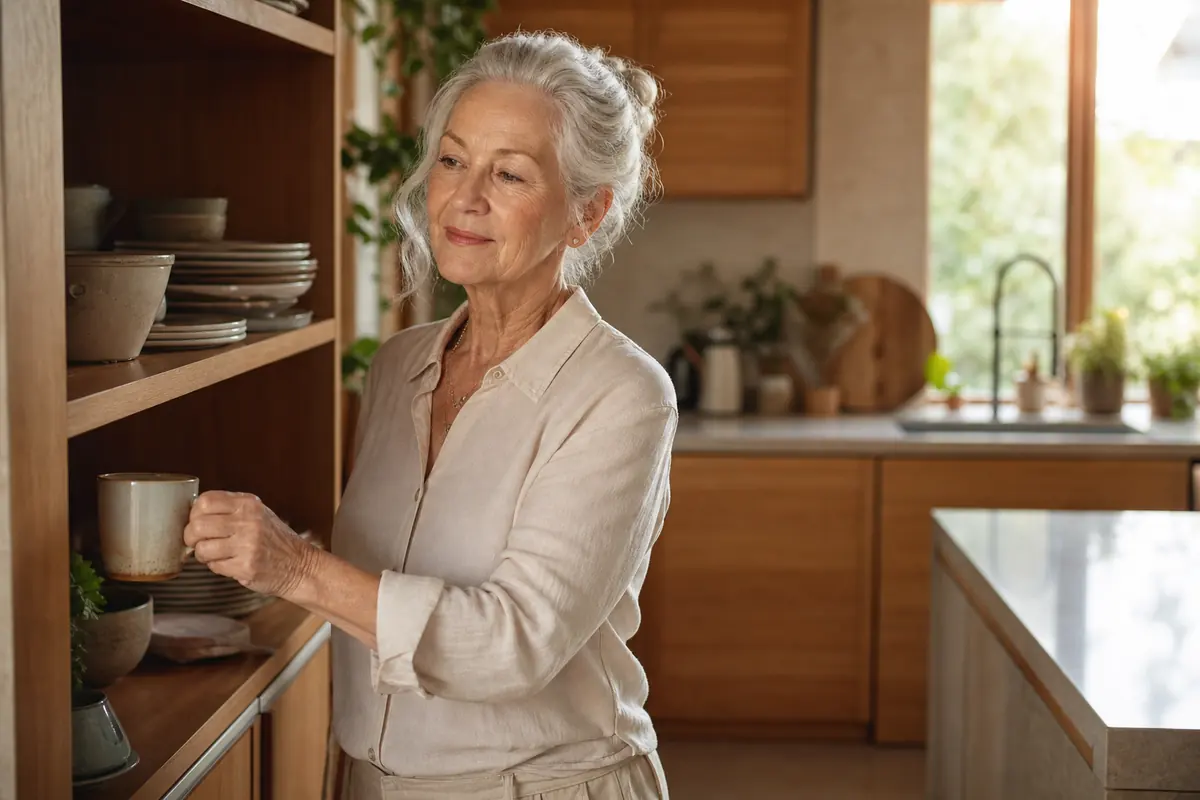
When a stroke survivor returns home from the hospital or inpatient rehab facility, they re-enter an environment that was calibrated for a pre-stroke version of themselves. Doorknobs, faucet handles, stovetop controls, stair railings — these everyday objects become obstacles or opportunities, depending on how therapy is structured. In-home OT treats the home itself as the treatment environment, which is a profound shift from the simulated activities of clinic-based care.
Movement and upper-extremity function
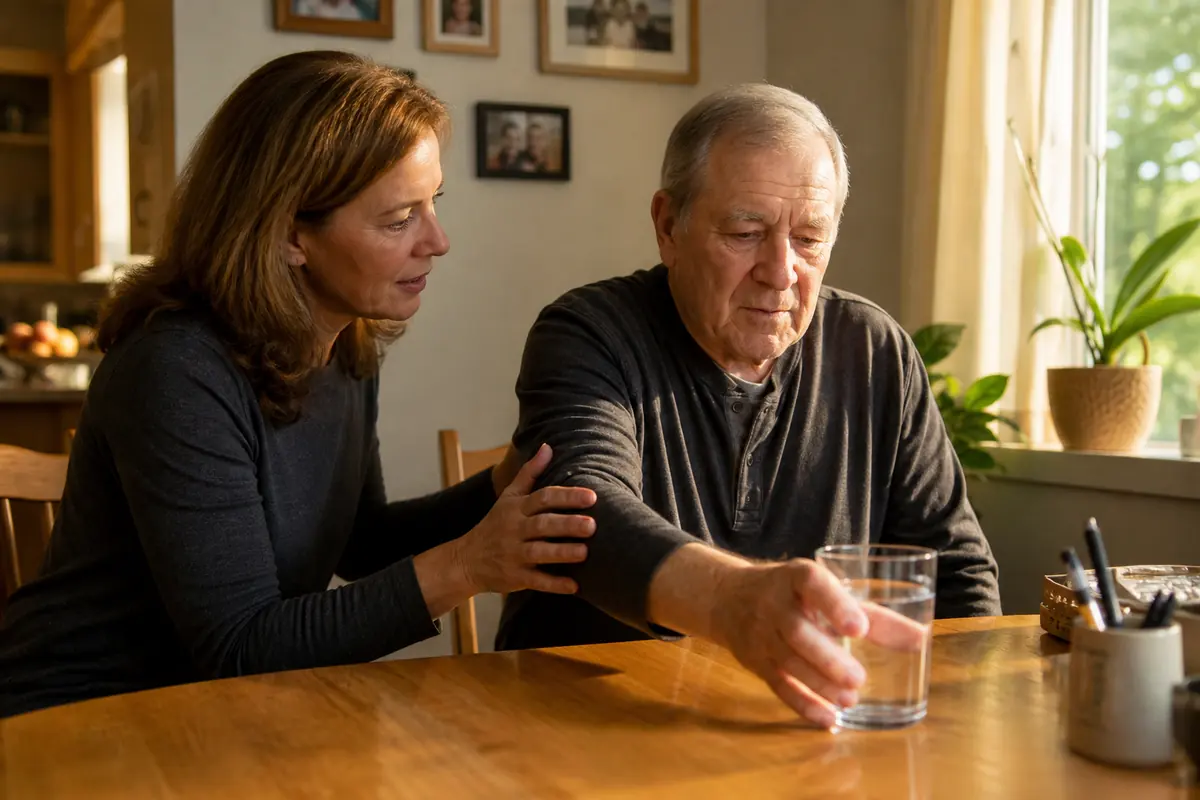
One of the areas a home OT may assess after a stroke is upper-extremity function. Hemiplegia or hemiparesis — weakness or paralysis affecting one side of the body — is common after stroke. Treatment begins with the survivor's current abilities and goals. When clinically appropriate, therapeutic approaches can be practiced through real daily tasks, such as reaching for a cereal bowl in the kitchen.
Cognitive changes after stroke
Cognitive changes following stroke often receive less attention than motor deficits, but they are equally impactful on daily functioning. Attention, memory, executive function, and processing speed can all be affected. OTs work on compensatory strategies tailored to the survivor's actual home environment: visual cueing systems on the refrigerator, organized medication dispensers, labeled cabinet doors. These aren't workarounds — they're environmental scaffolding that allows a healing brain to succeed while it continues to recover.
Fatigue and community mobility
Fatigue is another important variable. A person may experience daily demands differently at home than during a shorter clinical appointment, allowing an OT to discuss activity pacing and routines in context.
We also address driving cessation, which is one of the most psychologically difficult transitions post-stroke. Losing the ability to drive independently is often experienced as the loss of autonomy itself. OT helps survivors build alternative mobility systems — ride-share accounts, community transit options, family coordination — while simultaneously working toward the visual, cognitive, and motor prerequisites that might allow a return to driving evaluation.
Supporting family and caregivers
Family and caregiver training is integral to our in-home model. Stroke recovery doesn't happen in isolation, and the people who live with the survivor can either amplify or inadvertently undermine therapeutic progress. We coach caregivers in the mechanics of safe transfers, the psychology of supported independence, and the warning signs that warrant clinical escalation.
Recovery is individual
Recovery after stroke is not a straight line, and no single setting is right for everyone. In-home OT can be one part of an individualized rehabilitation plan developed with the survivor and their healthcare team.