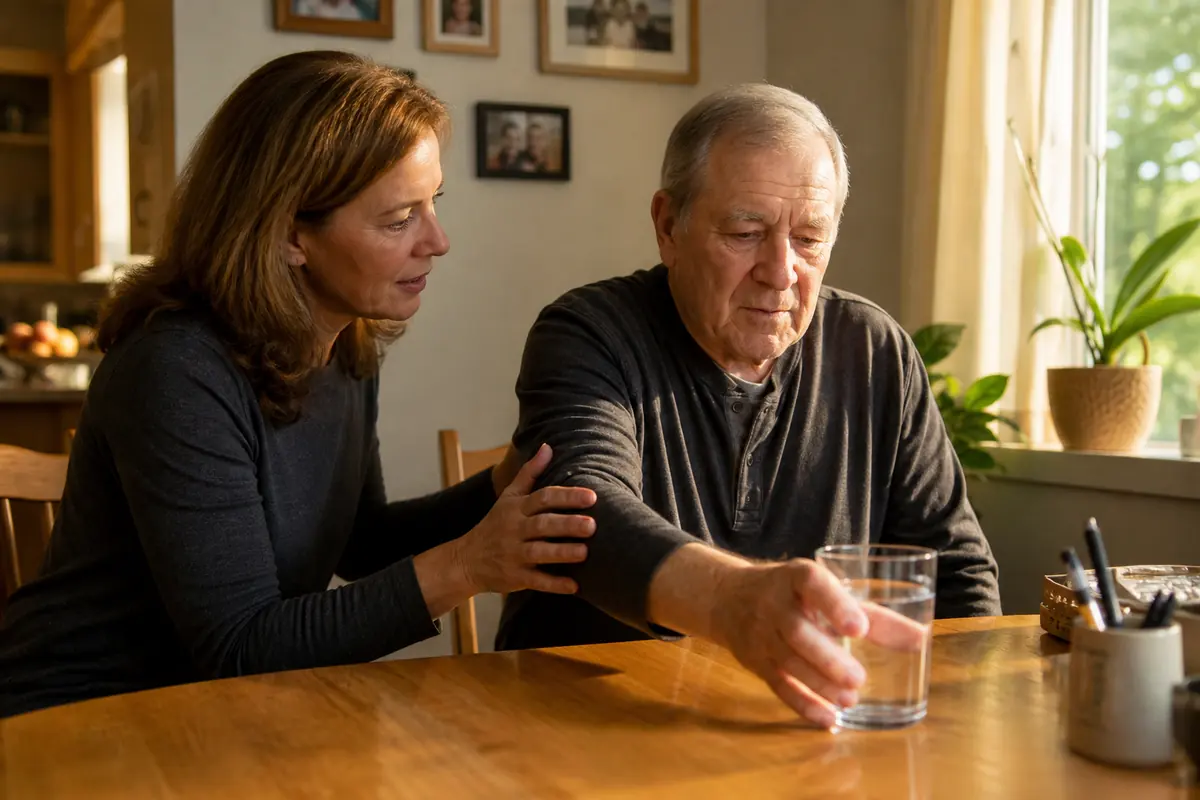
Aging in place — the ability to live safely and independently in your own home as you grow older — is one of the most powerful goals in occupational therapy. Yet the path toward that goal is rarely straightforward. Homes built for 30-year-olds weren't designed with 75-year-olds in mind, and the gap between those two realities is exactly where occupational therapists do their most meaningful work.
What an OT looks for at home
When an OT performs a home assessment, they aren't simply looking for obvious hazards. They're conducting a full-spectrum analysis of how a person interacts with every inch of their environment — from the moment they rise in the morning to the moment they settle back into bed. The bathroom, the kitchen, the staircase, the threshold of the front door: each carries its own set of risks and opportunities.
Bathroom safety
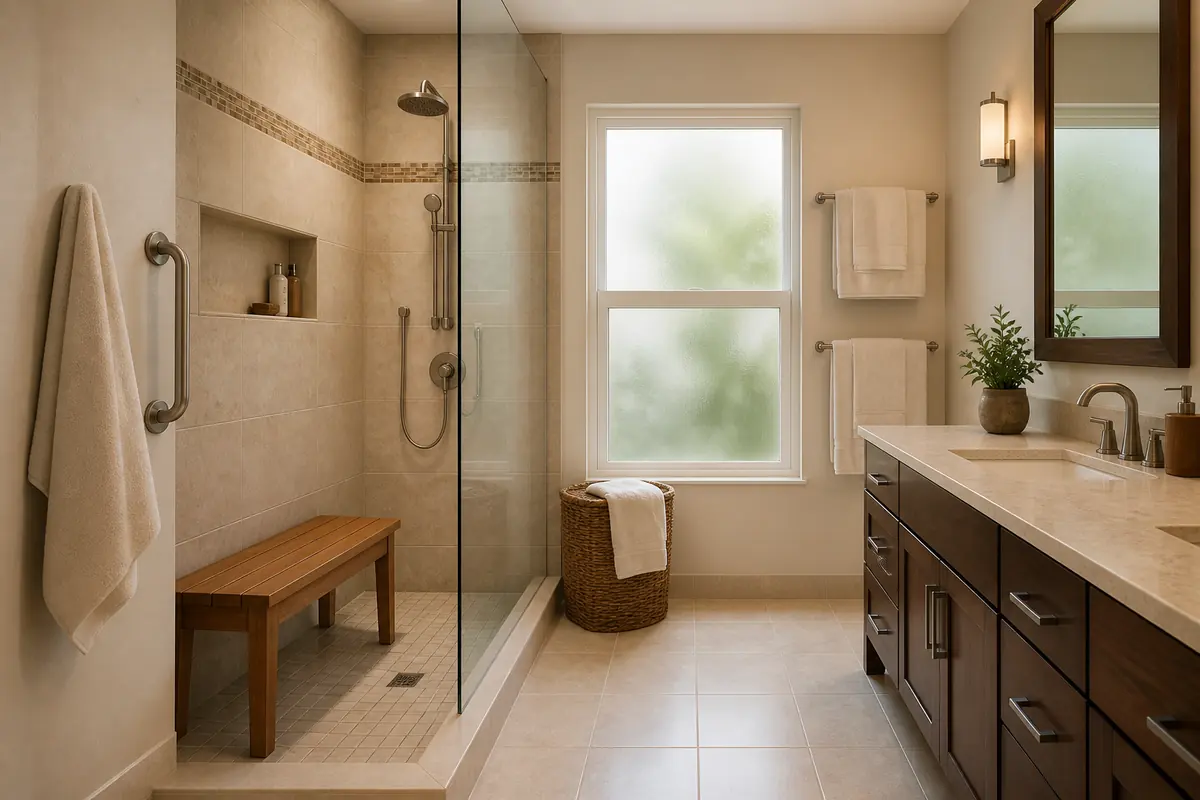
Bathrooms deserve close attention because wet surfaces, thresholds, and the physical demands of bathing can increase fall risk. A grab bar strategically placed near the toilet or inside the shower can provide support during a daily task. We also look at shower entry height, bench seating options, and handheld showerhead placement to make the space easier to use without making it feel clinical.
A more accessible kitchen
The kitchen is another high-priority zone. Reaching overhead, bending to low cabinets, and standing for extended periods are all activities that become more taxing with age. Our approach involves reorganizing frequently used items to a "golden zone" between shoulder and waist height, recommending fatigue-reducing anti-slip mats, and evaluating whether appliance placement is creating unnecessary strain. Sometimes the intervention is as simple as switching to a lightweight kettle — small changes that compound meaningfully over time.
Lighting and flooring
Lighting is often overlooked, but it can materially affect safe navigation. We assess ambient, task, and night lighting throughout the home and may recommend motion-activated path lighting for hallways or brighter task lighting in kitchen and bathroom work zones.
Flooring transitions between rooms deserve careful attention as well. Changes in surface texture or height — even half an inch — can be enough to catch a shuffling foot and cause a fall. Area rugs, particularly those with curling edges, are removed or secured as part of our standard recommendations.
Routines and support systems
Beyond the physical environment, aging in place is about systems and routines. Occupational therapists work with older adults to build compensatory strategies: organizational systems, medication routines, and energy-conservation techniques that help preserve function even as physical capacity fluctuates. We also coordinate with family members and caregivers to ensure that support structures are sustainable.
Building toward safer independence
The goal of each recommendation is to support a safer margin between a person's current abilities and the hazards that could threaten independence. Occupational therapy can be one useful part of a broader plan for aging safely at home.